
About Lymphedema and Lipedema
Expert care for chronic swelling conditions — and clear information when you need it most.
Read the cards below — if the symptoms sound familiar, tap Open detailed guide to see images, videos and treatment information.
Before we talk about what goes wrong
The Lymphatic System
A silent network running through your entire body — draining fluid, fighting infection, and keeping tissues healthy. When it fails, the results are visible. Understanding how it works is the first step to understanding lymphedema and lipedema.
Explore the diagram
Lymphatic Capillaries — up close
Tap the circles to explore
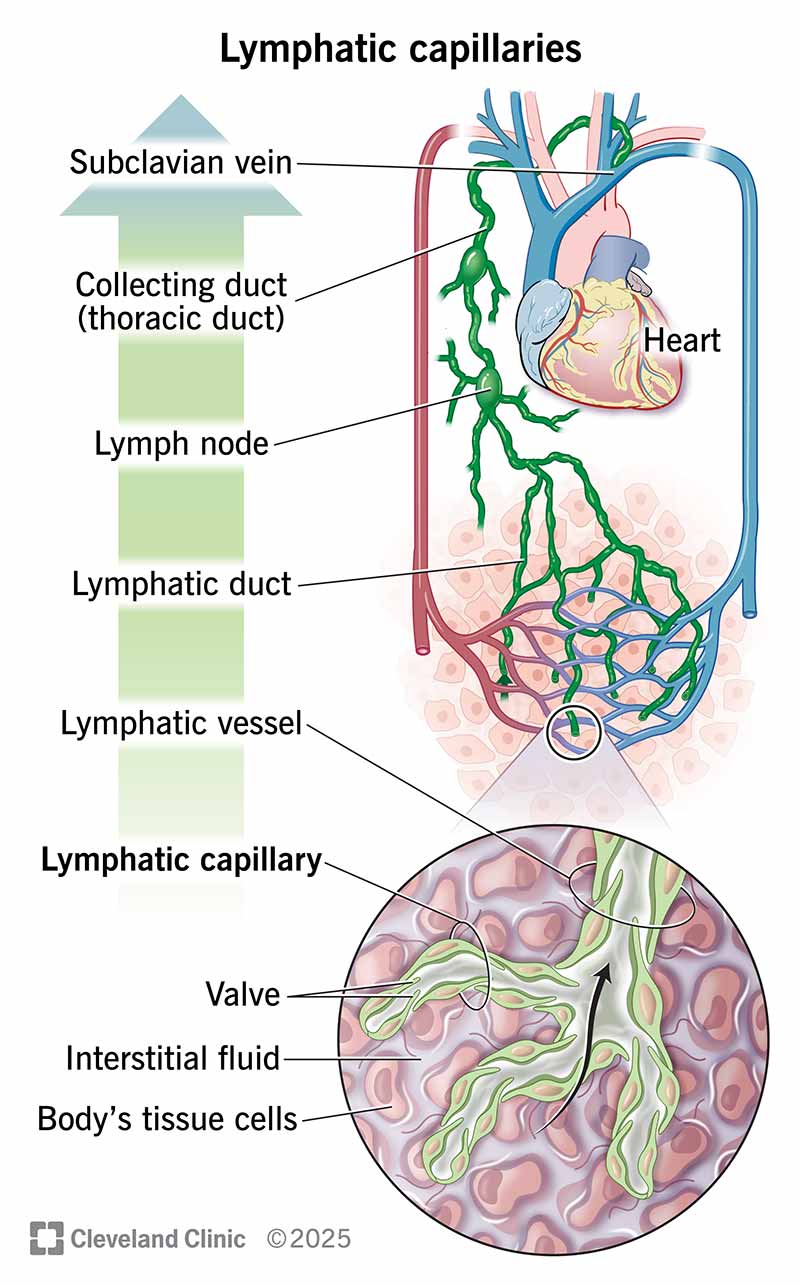
Select a structure
Tap any glowing circle on the diagram to learn what it does.
The circuit
How lymph flows through the body
Tap each step to expand
Fluid accumulates
Capillaries absorb
Nodes filter it
Fluid travels up
Returns to blood
History
Four centuries of discovery
The lymphatic system was one of the last major body systems to be identified — and conditions like lipedema are still being recognised today.
Gasparo Aselli
Discovered lymphatic vessels ("lacteals") in the intestine of a dog — the first recorded observation of the lymphatic system.
Thomas Bartholin
Named and described the complete human lymphatic system, establishing it as a body-wide network distinct from the blood.
Emil & Estrid Vodder
Developed Manual Lymph Drainage (MLD) in France — a gentle massage technique still used today as the gold-standard lymphedema treatment.
Allen & Hines
First formally described lipedema at the Mayo Clinic — a condition that would remain largely unrecognised for another 80 years.
Treatment
Manual Lymph Drainage — how it works
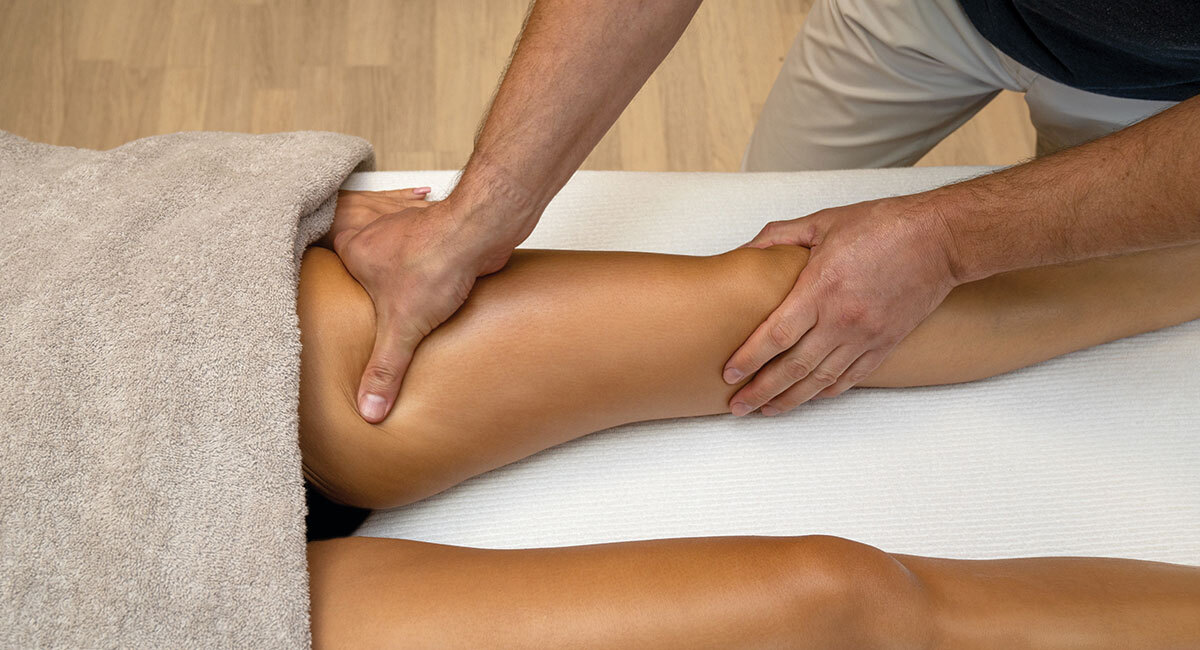
MLD is a specialised massage that uses precise, gentle strokes to redirect lymph fluid toward functioning lymph nodes. Developed in 1932 by Emil and Estrid Vodder, it remains the gold-standard first-line treatment for lymphedema.
Tap a technique to learn more
Key principle: MLD always uses extremely light pressure — lighter than a standard massage. The skin is gently stretched, never pressed deeply. Incorrect pressure can worsen lymphedema.
45–90 min
Typical session length
2–3×/week
Intensive phase
Since 1932
Vodder technique
Painless
Gentle touch only
Watch and learn
Educational content from our clinical team. Tap to watch on Instagram.
1 / 4
Lipedema Awareness Month: Understanding Lymphatic Massage
Nurse Nielsen explains how manual lymphatic drainage can help manage symptoms of lipedema, including swelling, pain, and heaviness. Learn why treatment by a certified lymphatic therapist matters.
What happens when it goes wrong
Two conditions — both affecting this system
Lymphedema occurs when the lymphatic vessels are damaged or blocked, causing fluid to build up in tissues. Lipedema is a fat disorder that is often misdiagnosed and frequently occurs alongside lymphedema. Scroll down to explore both.
What condition are you experiencing?
Recognise your symptoms
Lymphedema
Are you experiencing unexplained swelling in your arms or legs?
- Noticeable swelling in one or both limbs
- Feeling of heaviness or tightness
- Skin that feels firm or changes texture
- Swelling that worsens after activity or by end of day
Lipedema
Do your legs feel heavy and painful, disproportionate to the rest of your body?
- Legs that look large and feel painful to touch
- Easy bruising with no clear cause
- Swelling that does not improve with diet or exercise
- Feet look normal — only legs and hips are affected
Ready to speak with a specialist?
Our clinic provides expert diagnosis and personalised treatment for lymphedema and lipedema. You deserve answers and a care plan that works.
Book a Consultation